











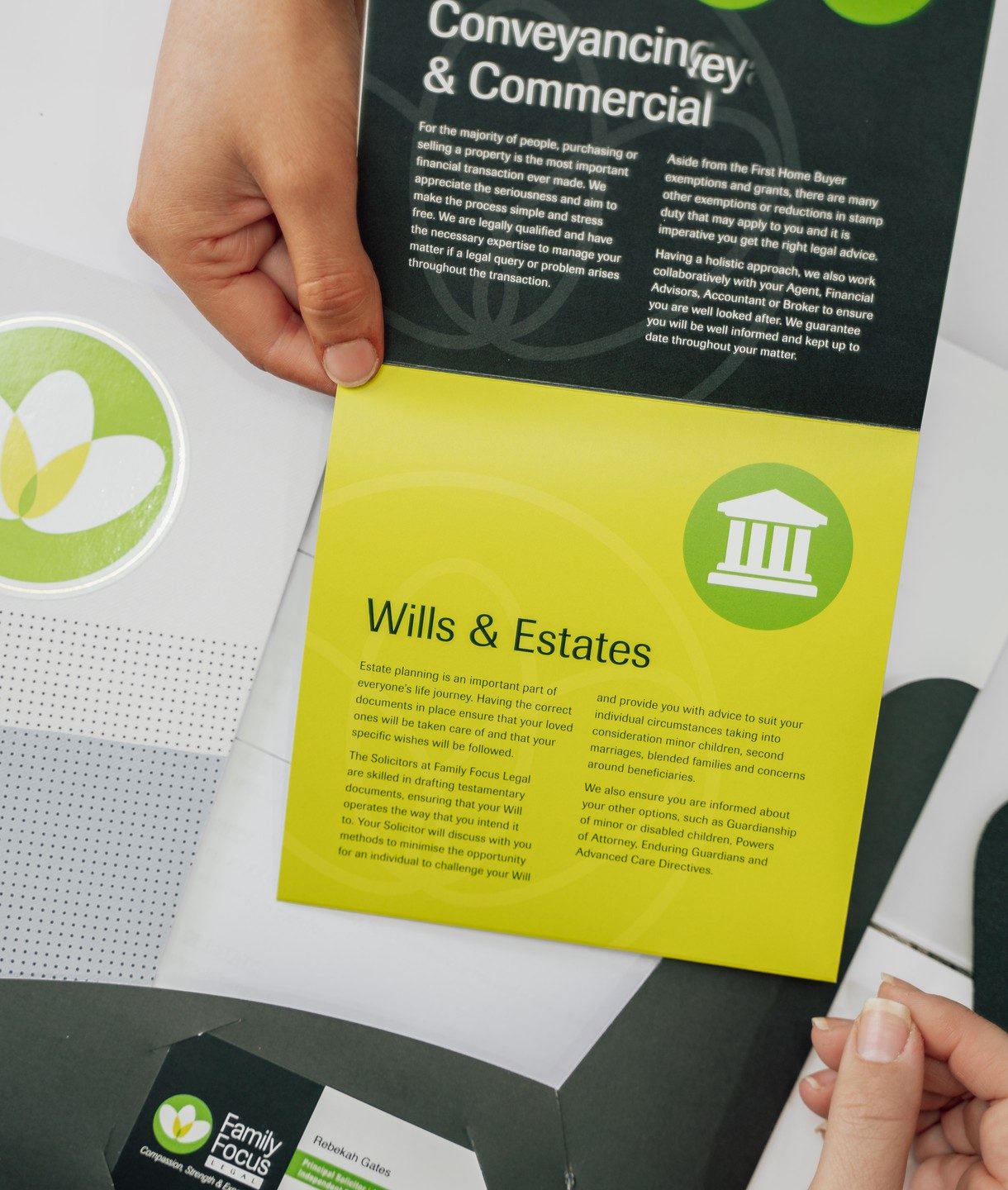
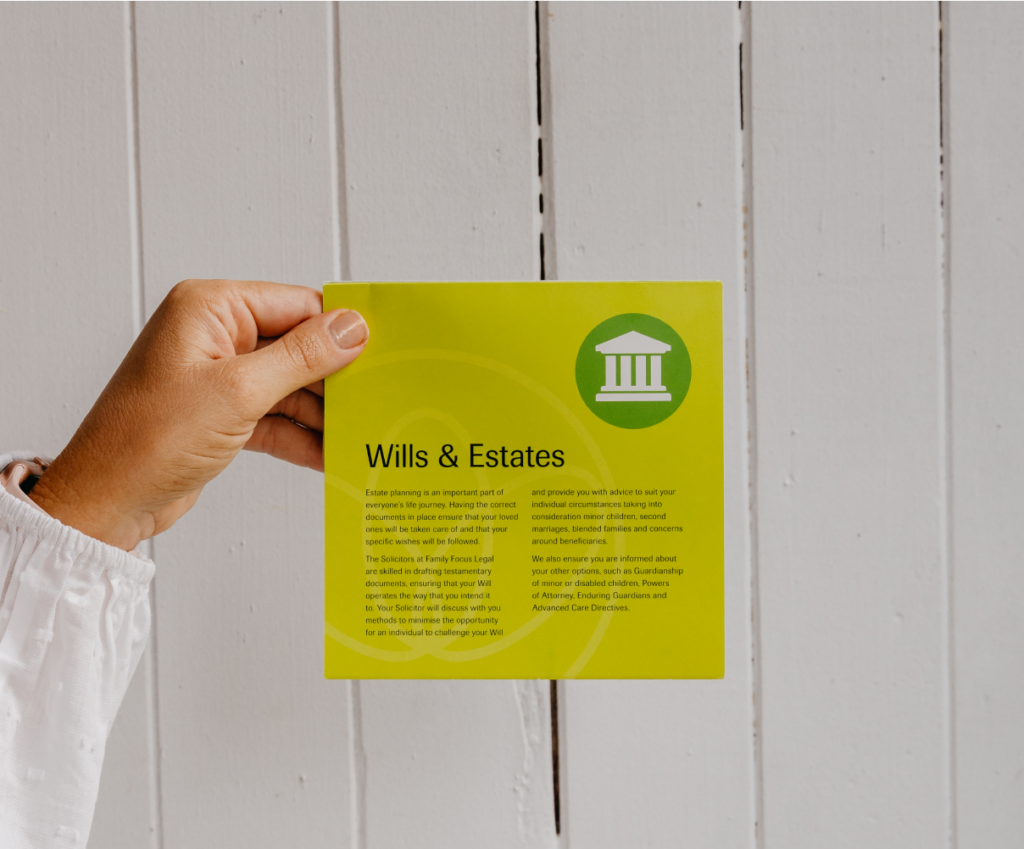
Wills & Estates

Camden Wills and Estates Lawyers for Your Family’s Future
Protect your assets and ensure your family is cared for with clear legal guidance from local experts. Our dedicated wills and estates team supports clients across Camden, south-west Sydney, and the wider Macarthur region with compassionate and practical estate planning advice.
- Receive fixed-fee certainty for drafting legally valid NSW wills, enduring power of attorney, and enduring guardianship documents.
- Manage probate applications, estate administration, and disputed estates with an experienced NSW solicitor.
- Access comprehensive estate planning support from our office or our secure online portal to secure your family’s future.

What Are Wills and Estates?
Wills and estates law governs how your assets and affairs are managed during your lifetime and distributed after your passing. In New South Wales, the Succession Act 2006 dictates strict rules and covers several critical areas.
- Formal requirements for creating a legally valid will
- Intestacy rules that apply when someone dies without a will
- Legal processes for family provision claims and disputed estates
- The distinct rights and responsibilities of beneficiaries and executors
Estate planning is essential for any adult with assets, children, or dependants to ensure their wishes are legally protected.
Talk to a wills and estates lawyer about your plans
Our Wills and Estates Services
Family Focus Legal advises on the full range of wills, estate planning, and estate administration matters. Each of the services below has a dedicated page with detailed information, our process, and indicative fixed fees.
Wills
Drafting, updating, and storing legally valid NSW wills under section 6 of the Succession Act 2006 (NSW).
Probate and Letters of Administration
Supreme Court of NSW probate applications and estate letters of administration where no valid will exists
Enduring Guardianship
Appointing a guardian to make lifestyle and health decisions on your behalf if you lose capacity
Power of Attorney
Appointing an attorney to manage your financial affairs, including enduring powers that survive loss of capacity
Advanced Care Directive
Documenting your healthcare preferences and instructions for medical treatment
Special Disability Trust
Trusts for the benefit of a person with a severe disability, with concessional social security treatment
Disputed and Contested Estates
Family provision claims, contested probate, executor disputes, and deeds of family arrangement
Why You Need a Valid Will in NSW
Dying without a valid will in NSW (legally referred to as dying intestate) means that your assets are distributed according to the intestacy rules set out in chapter 4 of the Succession Act 2006 (NSW), not according to your wishes. The intestacy rules may therefore produce an unintended outcome.
What makes a will legally valid in NSW (Section 6, Succession Act 2006 (NSW))
- The will must be in writing (typed or handwritten)
- The testator must be 18 years of age or older (or validly married)
- The testator must sign the will at the end of the document and on each page of the will, or direct someone to sign in their presence on their behalf
- The signature must be made or acknowledged in the presence of at least two witnesses who are both present at the same time
- The witnesses must sign the will in the testator’s presence
Witnesses should not be beneficiaries under the will. If a beneficiary witnesses the will, the gift to that beneficiary may be void even if the will itself remains valid.
Consequences of dying without a valid will
If you die intestate in NSW, your estate is distributed according to Chapter 4 of the Succession Act 2006 rather than in accordance with your own wishes.
- If you leave a spouse or de facto partner and no children your entire estate passes to your partner
- If you have children from another relationship the estate is divided between your spouse and children using a statutory formula
- If you have no surviving spouse, partner or children, your estate passes to parents, then siblings, and then more distant relatives
- Unmarried partners in short de facto relationships and stepchildren are not automatically entitled to inherit under intestacy rules
When to update your will
Your will should be reviewed and updated after:
- Marriage (a new marriage revokes an existing will under the Succession Act 2006 (NSW), Section 12)
- Divorce (a divorce revokes gifts and appointments to the former spouse under Section 11A)
- Birth of children or grandchildren
- Death of a beneficiary or executor
- Significant change in assets (property purchase, business acquisition, superannuation changes)
- Change in family circumstances (blended family, estrangement)
Probate and Estate Administration in NSW
Probate is the formal legal process by which the Supreme Court of NSW confirms that a will is valid and grants the executor authority to administer the estate. Where there is no valid will, letters of administration are granted to an administrator appointed by the court.
Here is what you can expect during the probate process:
1
Locate the will and identify the executor
The original will must be located. The executor named in the will has the legal authority to apply for probate.
2
Notice of intended application
Before filing, the executor must publish a notice of intended application in the NSW Online Registry, allowing 14 days for caveats to be filed (Supreme Court Rules).
3
Filing the probate application
The application is filed in the Supreme Court of NSW Probate Registry. Documents required include the original will, death certificate, an inventory of property, and an affidavit of executor. Family Focus Legal prepares and files all documents on behalf of the executor.
4
Collecting and valuing estate assets
Once the grant of probate or letters of administration is issued, the executor has authority to collect assets: bank accounts, shares, superannuation (where the estate is the nominated beneficiary), and real property.
5
Paying debts and testamentary expenses
Before distributing to beneficiaries, the executor must pay all estate debts (mortgages, credit cards, taxes, funeral expenses) and the costs of administration.
6
Distributing to beneficiaries
Assets are distributed in accordance with the will (or the intestacy rules if no will). Final accounts are prepared and provided to beneficiaries.
How long does probate take?
A straightforward probate application typically takes approximately 6 to 12 months from date of death to final distribution. Complex estates, disputed wills, or estates with overseas assets can take significantly longer.
Enduring Power of Attorney vs Enduring Guardianship
Documents That Protect You
Estate planning is not limited to wills. Two other essential documents protect your interests if you lose decision-making capacity, specifically an enduring power of attorney and an enduring guardianship. These documents cover different spheres and are often confused.
- Enduring power of attorney – An enduring power of attorney survives the loss of decision-making capacity. It allows your appointed attorney to manage your bank accounts, pay bills, manage property, and make legal and financial decisions on your behalf. Without this document, a family member may need to apply to the NSW Civil and Administrative Tribunal (NCAT) for a financial management order, which is a more complex and costly process.
- Enduring guardianship – An enduring guardian can make lifestyle and medical decisions on your behalf, including where you live, what medical treatment you receive, and which health services you use. An enduring guardian cannot make financial decisions; those remain the role of the attorney under the power of attorney.
- Advanced care directive – An advanced care directive documents your specific instructions about medical treatment. Unlike an enduring guardianship (which appoints a person), an advanced care directive records your preferences directly. The two documents work together to ensure that the guardian makes decisions consistent with the preferences you have recorded in your advanced care directive.
Family Focus Legal recommends that every adult have all three documents in place: a valid will, an enduring power of attorney, and an enduring guardianship.
Power of Attorney and Guardianship Compared
| Feature | Enduring Power of Attorney | Enduring Guardianship |
|---|---|---|
| Who makes decisions | Your appointed attorney | Your appointed guardian |
| Scope of decisions | Financial and legal affairs | Personal, lifestyle, and medical decisions |
| When it takes effect | Immediately on signing (or at a specified trigger) | Only when you lose decision-making capacity |
| Governed by | Powers of Attorney Act 2003 (NSW) | Guardianship Act 1987 (NSW) |
| Can override your expressed wishes | No, must act in your best interests | No, must act in accordance with your wishes where known |
Testamentary Trusts and Special Disability Trusts
Testamentary trusts are trusts created within a will that come into effect on the testator’s death. They allow assets to be held and managed for beneficiaries rather than distributed outright.
Key advantages of a testamentary trust include:
- Asset protection – Assets held in a testamentary trust are generally protected from a beneficiary’s creditors and from family law property settlement claims (subject to circumstances)
- Tax efficiency – Minor beneficiaries (children under 18) of a testamentary trust are taxed at adult marginal rates on income from the trust, not at the penalty rates that apply to other trust income for minors
- Blended family planning – A testamentary trust can be structured so that a surviving spouse has income and use of assets during their lifetime, with the capital passing to children from a prior relationship after the surviving spouse’s death
Testamentary trusts are appropriate for clients with business interests, significant assets, minor children, adult children at risk of relationship breakdown, or complex family structures.
Special disability trusts are established for the benefit of a person with a severe disability and offer specific protections.
- They are recognised under the Social Security Act 1991
- Assets are transferred without the full social security assessment that applies to standard direct gifts
- Trust funds are used exclusively for the care and accommodation needs of the beneficiary
Disputed and Contested Estates in NSW
Disputes about wills and estates are more common than many families expect. The most frequent types of disputes include:

Family provision claims
Eligible persons who feel inadequately provided for can apply to the Supreme Court of NSW for a provision order under Chapter 3 of the Succession Act 2006. This includes spouses, de facto partners, children, and certain financially dependent grandchildren or household members. The strict time limit to file is 12 months from the date of death.

Executor disputes
Disputes often arise if an executor fails to act or acts in their own self-interest rather than the estate’s best interests. The court retains the power to legally remove an executor and appoint an administrator in their place.

Deed of family arrangement
Beneficiaries who wish to mutually vary how an estate is distributed can enter into a deed of family arrangement. This formal legal document allows parties to alter the distribution without requiring a lengthy court order. Family Focus Legal drafts deeds of family arrangement for Camden estates.
Fixed-Fee Wills and Estates
How Our Fixed Fees Work
Family Focus Legal offers fixed fees on the majority of wills and estates matters. Fixed fees are confirmed at your initial conversation, and your scope is confirmed before any work begins.
Complex contested estates and family provision claims are priced by stage. Every fee arrangement is confirmed in a cost agreement you sign before work starts.
Typical Fixed-Fee Scope
| Matter Type | Typical Fixed-Fee Scope |
|---|---|
| Simple will (single person) | Instructions, drafting, and execution |
| Will pair (couples with straightforward estates) | Instructions, drafting, and execution for both wills |
| Enduring power of attorney | Instructions, drafting, and execution |
| Enduring guardianship | Instructions, drafting, and execution |
| Complete estate planning package | Will, enduring power of attorney and enduring guardianship |
| Probate application (uncontested) | Filing, advertisement, court application, and grant |
Understanding Your Estate Planning and Will Options
How long does probate take in NSW?
A straightforward probate application typically takes six to 12 months from the date of death to final distribution. The time from filing to the grant of probate is usually six to 10 weeks once lodged in the Supreme Court of NSW Probate Registry.
- Complex estates or disputed applications will take longer to resolve
- Estates with overseas assets experience extended processing times
- Letters of administration follow a similar process and timeline when there is no will
What is the difference between a will and a power of attorney?
A will takes effect on your death to govern asset distribution, while a power of attorney operates during your lifetime. A will cannot authorise anyone to act on your behalf while you are alive.
- A will dictates how your estate is distributed after you pass away
- A power of attorney authorises someone to manage your financial and legal affairs while you are living
- An enduring power of attorney continues to operate even if you lose decision-making capacity
Do I need a solicitor to make a will in NSW?
You are not legally required to use a solicitor to make a will in NSW but DIY wills carry significant risks that can lead to costly disputes. Family Focus Legal offers fixed-fee will drafting to ensure your document is valid and clear.
- DIY wills often contain errors like invalid witnessing or unclear beneficiary descriptions
- Self-drafted wills frequently fail to account for superannuation and jointly held property
- Professional legal advice ensures your executor has the appropriate powers to manage your estate
How much does a will cost?
Family Focus Legal offers fixed-fee will drafting so you know the exact cost before any work commences. Your specific fee depends on the complexity of your family structure and assets.
- Simple wills for individuals are priced at a single fixed fee
- Couples can have both wills prepared together at a combined fixed fee
- Complex wills involving testamentary trusts or business succession are priced by defined scope
Can I contest a will?
Yes. Eligible persons can make a family provision claim in the Supreme Court of NSW if they feel inadequately provided for under a will. The strict time limit to make this claim is 12 months from the date of death.
- Claims fall under Chapter 3 of the Succession Act 2006
- Eligible persons include spouses, de facto partners, children, and certain dependants
- Our team advises both claimants and estate representatives in these proceedings
What is enduring guardianship?
Enduring guardianship is a legal document that appoints a trusted person to make personal, lifestyle, and medical decisions on your behalf if you lose capacity. This authority only takes effect when you are unable to make decisions for yourself.
- Your guardian decides where you live and what medical treatment you receive
- This role covers health and lifestyle decisions and does not cover financial matters
- The document is governed by the Guardianship Act 1987
Can an executor be removed after probate?
Yes. The Supreme Court of NSW has the power to remove an executor and appoint an administrator in their place if there is serious mismanagement. Family Focus Legal advises beneficiaries and co-executors on the removal application process.
- Grounds for removal include a breach of fiduciary duty or a failure to act
- Executors acting in their own interest or with a conflict of interest can be removed
- This procedure is governed by the Probate and Administration Act 1898
What happens if I die without a will in NSW?
If you die without a valid will, your estate is distributed according to the strict intestacy rules which may not reflect your wishes. This situation also means an administrator, in most cases your most immediate family member, must be appointed, adding time and cost to the process.
- The Succession Act 2006 prioritises spouses, de facto partners, and children
- Unmarried partners of less than two years and stepchildren may receive nothing
- Distant relatives may inherit your assets if you have no immediate family
Speak With a Wills and Estates Lawyer
Estate planning is one of the most important steps you can take for your family. Family Focus Legal provides plain-English advice on wills, powers of attorney, guardianship, and estate administration for Camden clients and families across the Macarthur region.
- Office: 74 John Street, Camden NSW 2570
- Call: (02) 4655 4224
- Servicing: Camden, Narellan, Oran Park, Gregory Hills, Elderslie, Mount Annan, Camden Valley, Macarthur, south-west Sydney

Family focus legal
Community Focused
-

Advanced Care Directive
Learn more: Advanced Care DirectiveAn Advance Care Directive, which is also known as a ‘living Will’, is a document which is often created at the same time as an Enduring Guardianship.
-
Disputed & Contested Estates
Learn more: Disputed & Contested EstatesIn circumstances where an individual has been left out of a Will it may be possible to challenge the Will and make a claim against the Estate.
-
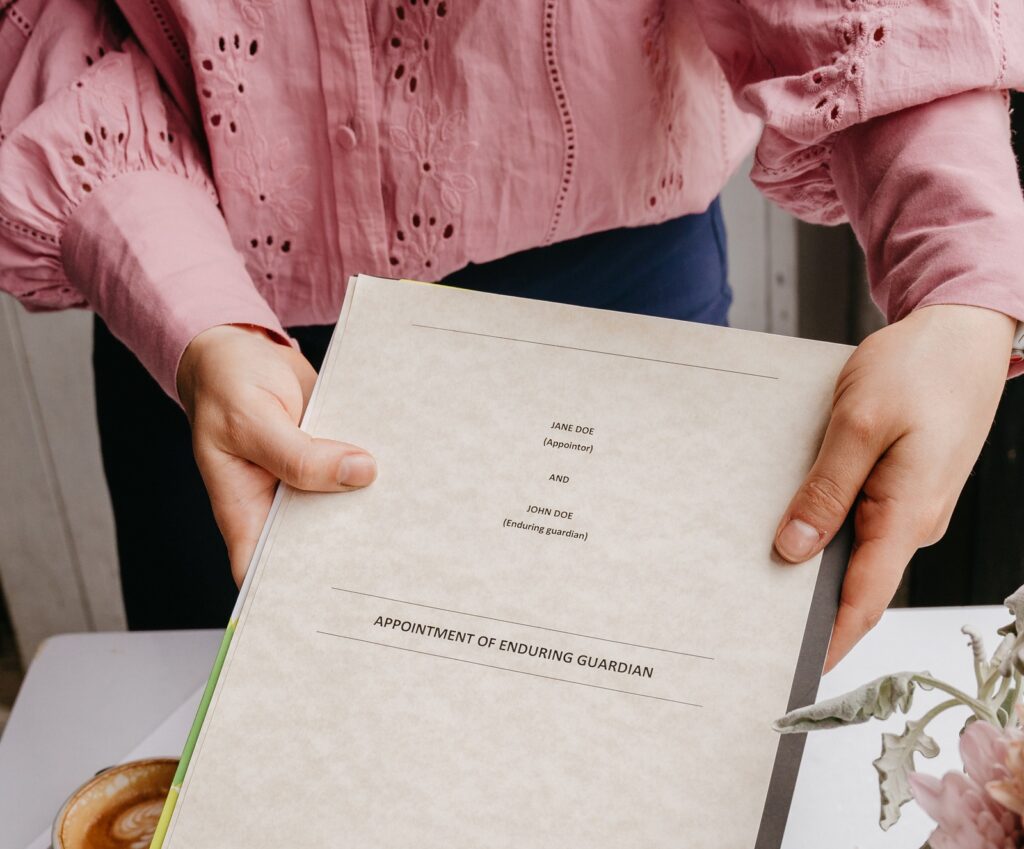
Enduring Guardianship
Learn more: Enduring GuardianshipAn Enduring Guardianship is a legally binding document which appoints a Guardian to make medical decisions for the person appointing them. An Enduring Guardianship can appoint more than one guardian. Similarly, an Enduring Guardianship can be revoked at any time.
-
Power of Attorney
Learn more: Power of AttorneyA Power of Attorney is a document which you can enter into which will allow another person to act on your behalf in financial matters. We believe this is an essential and critical document that everyone should have and believe that…
-
Probate & Letters of Administration
Learn more: Probate & Letters of AdministrationIf a person passes away in New South Wales and leaves assets at the time of their death, those assets need to be dealt with and distributed in the correct legal manner.
-
Special Disability Trust
Learn more: Special Disability TrustA Special Disability Trust is a trust fund that is established by the family or carers of an individual who has a severe disability. The Trust aims to ensure that the financial needs in relation to care, medical treatment and living…
-
Wills
Learn more: WillsA Will is a legally binding document which expresses your wishes as to what you would like to happen to your estate in the event of your death.






Ready to take the first step towards peace of mind?
Get in touch with our compassionate team, and let’s
discuss how we can support you and your family.